

In 2026, global mobility is no longer a luxury — it’s a lifestyle choice. With the rise of remote work, freelancing, and online businesses, more professionals are choosing to live abroad legally for extended periods. Governments around the world are responding by introducing long stay visas, digital nomad permits, and flexible residence programs designed specifically for remote earners.
This expert guide explores the most practical, affordable, and accessible long stay visa options in 2026 — including visa duration, estimated living costs, and who each destination is best suited for.
🇵🇹 Portugal – Europe’s Digital Nomad Favorite




Portugal continues to rank among the top destinations for long-term travelers and digital nomads.
Visa Option:
D8 Digital Nomad Visa
Temporary stay visa (1 year) or renewable residence permit
Why It’s Popular:
Affordable compared to most Western European countries
Access to the Schengen Zone
High quality of life
Strong expat and remote worker community
Estimated Monthly Living Cost:
€1,200 – €1,800 depending on the city
Portugal is ideal for professionals seeking European residency without the extremely high costs of countries like France or Germany.
🇪🇸 Spain – Mediterranean Lifestyle with Long-Term Stability




Spain has strengthened its Digital Nomad Visa program, making it attractive for freelancers and remote employees.
Visa Duration:
1 year initially
Renewable up to 5 years
Requirements:
Proof of remote income
Clean criminal record
Private health insurance
Estimated Monthly Budget:
€1,300 – €2,000
Spain offers a relaxed lifestyle, excellent healthcare, vibrant culture, and world-famous cuisine — making it perfect for those who value work-life balance.
🇹🇭 Thailand – Budget-Friendly Extended Stay in Asia




Thailand remains a favorite in Southeast Asia for long-term travelers. Its Long-Term Resident (LTR) Visa program offers flexibility for digital professionals.
Visa Highlights:
Valid up to 10 years (depending on category)
Competitive income requirements
Tax incentives for qualified applicants
Estimated Monthly Living Cost:
$800 – $1,500
Cities like Chiang Mai and Bangkok are well-known digital nomad hubs with affordable housing and reliable infrastructure.
🇦🇪 United Arab Emirates – Tax-Free Long Stay Option



The UAE offers a Remote Work Visa that allows professionals to live in the country while working for overseas companies.
Visa Duration:
1 year (renewable)
Key Advantages:
No personal income tax
Modern infrastructure
High-end lifestyle and safety
Estimated Monthly Living Cost:
$2,000 – $3,500
While Dubai can be more expensive than other destinations, the tax-free environment can significantly increase net savings for high earners.
🇲🇽 Mexico – Flexible Temporary Residence Program

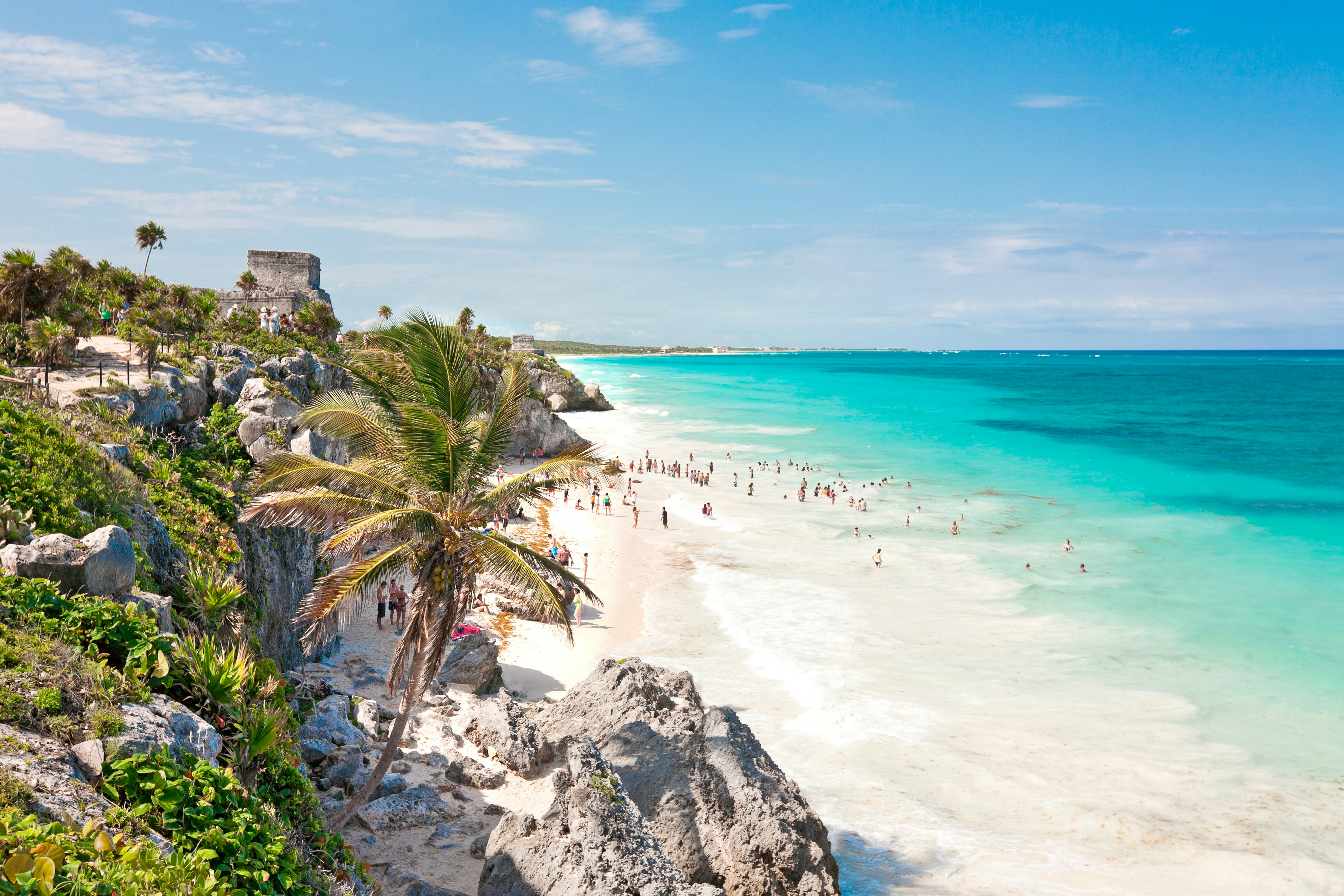


Mexico offers a Temporary Resident Visa valid for 1 to 4 years, making it one of the most flexible long stay options in the Americas.
Why It’s Attractive:
Straightforward financial requirements
Affordable healthcare
Strong cultural and social scene
Estimated Monthly Living Cost:
$900 – $1,600
Mexico is particularly appealing to North American remote workers due to proximity and lifestyle benefits.
🇬🇪 Georgia – The 365-Day Visa-Free Hidden Gem




Georgia offers visa-free stays of up to 365 days for many nationalities, making it one of the simplest long stay options available.
Key Highlights:
Extremely affordable cost of living
Minimal bureaucracy
Growing digital nomad community
Estimated Monthly Living Cost:
$700 – $1,200
Georgia is perfect for entrepreneurs and freelancers looking for low costs and ease of entry.
🇮🇩 Indonesia (Bali) – Creative Remote Work Paradise



Indonesia has introduced long stay options such as the Second Home Visa and extended social visas, attracting remote workers to Bali.
Visa Options:
Second Home Visa
B211A visa (extendable)
Estimated Monthly Living Cost:
$900 – $1,800
Bali combines affordability, natural beauty, and a strong entrepreneurial community, making it one of the world’s leading remote work destinations.
How to Choose the Right Long Stay Visa
An expert approach goes beyond simply checking visa duration. Consider these critical factors:
1. Income Requirements
Each country sets a minimum income threshold. Ensure your remote earnings qualify.
2. Tax Obligations
Understand whether you’ll become a tax resident and check for double taxation agreements.
3. Healthcare & Insurance
Private health insurance is mandatory in most programs.
4. Renewal & Residency Path
Some visas offer a pathway to permanent residency or even citizenship.
Key Trends in Long Stay Travel for 2026
Digital nomad visas continue to expand globally
Governments are actively targeting remote income earners
Flexible hybrid lifestyles (splitting time between two countries) are increasing
Affordable emerging markets are becoming strong alternatives to Western Europe
Final Thoughts
A long stay visa is more than a legal document — it’s a strategic lifestyle move.
Choose Portugal or Spain for European access and stability.
Choose Thailand or Indonesia for affordability and vibrant remote communities.
Choose the UAE for tax efficiency and modern infrastructure.
Choose Mexico or Georgia for flexibility and low living costs.
In 2026, the world is open to professionals who plan smartly and understand their visa options. The key is to align your income, lifestyle goals, and long-term plans with the right destination.


0 Comments